
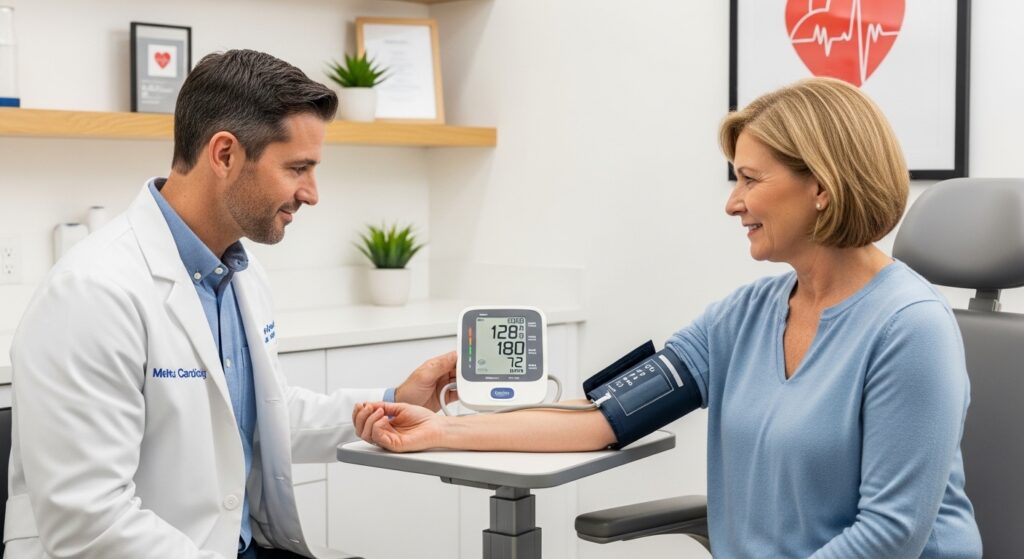
High blood pressure, also known as hypertension, is one of the most common cardiovascular conditions worldwide. Millions of people live with high blood pressure without even realizing it because it often develops without noticeable symptoms.
Although it may seem harmless at first, uncontrolled hypertension can gradually damage blood vessels and increase the risk of serious health problems such as heart disease, stroke, kidney disease, and heart failure.
Understanding what high blood pressure is, what causes it, and how it can be managed is essential for maintaining long-term heart health.
What Is High Blood Pressure?
Blood pressure measures the force of blood pushing against the walls of your arteries as the heart pumps blood throughout the body.
Blood pressure is recorded using two numbers:
-
Systolic pressure – the pressure when the heart beats
-
Diastolic pressure – the pressure when the heart rests between beats
A normal blood pressure reading is typically around 120/80 mmHg.
When blood pressure remains consistently elevated above normal levels, it is classified as hypertension.
Why High Blood Pressure Is Called the “Silent Killer”
One of the most concerning aspects of hypertension is that it usually does not cause noticeable symptoms in its early stages.
Many people may feel completely normal while their blood pressure continues to rise gradually over time. This is why hypertension is often referred to as the “silent killer.”
Without proper management, high blood pressure can damage important organs such as the heart, brain, kidneys, and eyes.
Regular health checkups are essential to detect high blood pressure early before complications develop.
Common Causes of High Blood Pressure
High blood pressure can develop due to a variety of factors, including both lifestyle habits and underlying medical conditions.
Some of the most common causes include:
-
Excessive salt intake
-
Lack of physical activity
-
Being overweight or obese
-
Chronic stress
-
Smoking
-
Excessive alcohol consumption
-
Family history of hypertension
-
Aging
In some cases, hypertension may also be caused by kidney disease or hormonal disorders.
Risk Factors for Hypertension
Certain individuals may have a higher risk of developing high blood pressure. Risk factors include:
-
Age over 40
-
Family history of cardiovascular disease
-
Diabetes
-
High cholesterol levels
-
Sedentary lifestyle
-
Poor diet
Having one or more of these risk factors does not guarantee that someone will develop hypertension, but it does increase the likelihood.
Potential Complications of Uncontrolled Hypertension
If left untreated, high blood pressure can lead to several serious health complications.
These may include:
-
Heart attack
-
Stroke
-
Heart failure
-
Kidney damage
-
Vision problems
-
Aneurysms
Over time, hypertension causes the arteries to become less flexible, which reduces blood flow to vital organs.
How High Blood Pressure Is Diagnosed
Hypertension is usually diagnosed through routine blood pressure measurements taken by a healthcare professional.
In some cases, your cardiologist may recommend additional tests to evaluate the overall health of your heart and blood vessels.
These tests may include:
-
Blood tests
-
ECG (Electrocardiogram)
-
Echocardiogram
-
Ambulatory blood pressure monitoring
These assessments help determine the severity of the condition and guide appropriate treatment.
Effective Ways to Control High Blood Pressure
The good news is that hypertension can often be controlled through a combination of lifestyle changes and medical treatment.
Some effective strategies include:
1. Reduce Salt Intake
Consuming too much sodium can raise blood pressure. Limiting processed foods and reducing salt intake can help maintain healthy blood pressure levels.
2. Exercise Regularly
Regular physical activity strengthens the heart and improves circulation, helping lower blood pressure.
3. Maintain a Healthy Weight
Even modest weight loss can significantly reduce blood pressure in people who are overweight.
4. Follow a Heart-Healthy Diet
A diet rich in fruits, vegetables, whole grains, and lean proteins supports overall cardiovascular health.
5. Manage Stress
Chronic stress can contribute to high blood pressure. Relaxation techniques such as meditation and deep breathing may help.
6. Take Prescribed Medications
If lifestyle changes alone are not sufficient, your cardiologist may prescribe medications to control blood pressure effectively.
When Should You See a Cardiologist?
If you consistently experience high blood pressure readings or have risk factors for cardiovascular disease, consulting a cardiologist is recommended.
A heart specialist can evaluate your condition, identify potential causes, and recommend a treatment plan tailored to your needs.
Early management of hypertension significantly reduces the risk of long-term complications.
Final Thoughts
High blood pressure is a common but potentially serious condition that should never be ignored. Because it often develops without noticeable symptoms, regular health screenings play a vital role in early detection.
By maintaining a healthy lifestyle, monitoring your blood pressure regularly, and following your doctor’s advice, you can effectively manage hypertension and protect your heart health for years to come.
Taking proactive steps today can help prevent serious cardiovascular problems in the future.